When most owners think about growth, they immediately focus on lead generation.
More Google Ads. Better SEO. More referral partners. Higher close rates.
Those are all important. But they only solve one side of the equation.
Resource: The Ultimate HVAC Marketing Guide for 2026
Generating demand is meaningless if your business doesn't have the capacity to fulfill it efficiently. Every service company has a handful of assets that quietly determine how much work can actually be completed in a day, a week, or a month.
In septic, that asset is the truck.
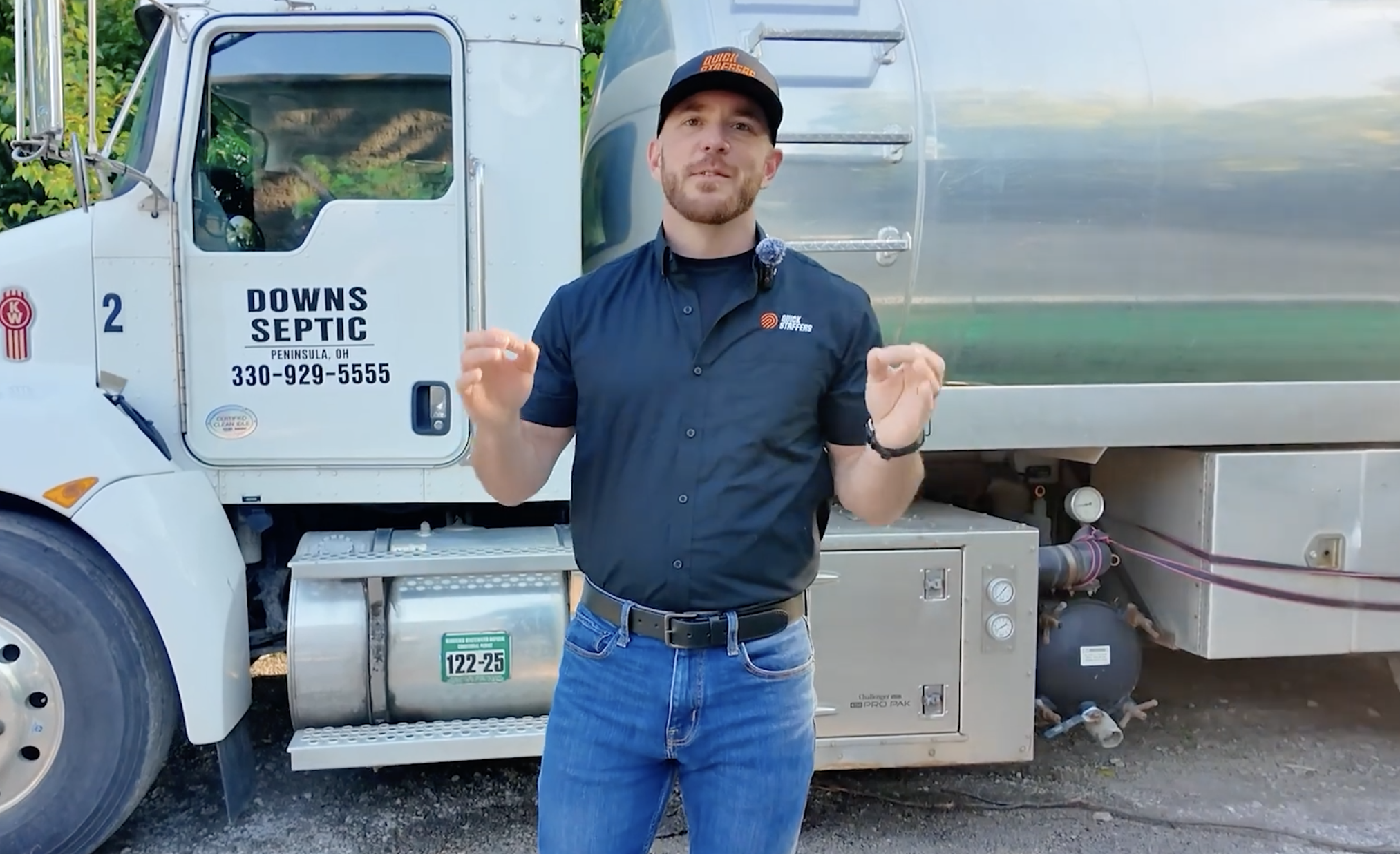
A vacuum truck isn't just a vehicle. It's the production engine of the business. Its tank size determines how many jobs can be completed before heading to a disposal site. Its equipment determines what types of jobs the company can take on. Its reliability determines whether technicians are serving customers or sitting in the yard waiting for repairs.
When the truck is running, revenue flows.
When it isn't, everything else grinds to a halt.
That's why successful operators don't think of equipment as an expense. They think of it as a revenue-producing asset.
A well-maintained truck creates value in multiple ways:
- Increases daily capacity by allowing more jobs before unloading.
- Reduces downtime by minimizing unexpected breakdowns.
- Expands service capabilities with the tools needed to tackle difficult jobs.
- Improves technician productivity by keeping everything required for the job on board.
- Protects profitability by preventing missed appointments and lost revenue.
The same lesson applies across every home service business.
An HVAC contractor depends on fully stocked service vans and installation equipment. A plumbing company relies on sewer cameras, hydro jetters, and excavation equipment. Electricians depend on specialized testing tools and lifts.
Every industry has a handful of assets that dictate how much revenue the company can physically produce.
The mistake many owners make is evaluating these investments based solely on their purchase price.
A better question is: How much revenue does this asset enable over its lifetime?
That shift changes everything.
Instead of delaying maintenance, you prioritize uptime. Instead of squeezing another year out of failing equipment, you replace it before it becomes a bottleneck. Instead of viewing financing as debt, you evaluate whether it increases production enough to generate a positive return.
As businesses grow, these decisions become even more important.
The companies that scale the fastest are often the ones that remove operational constraints before those constraints limit growth. They recognize the assets that produce revenue, invest in them early, and protect them relentlessly.
Every business has a revenue engine.
Your job as an owner is to identify it, maximize it, and make sure it's never the reason growth slows down.