The income gap between owners is rarely about effort, intelligence, or grit.
It is almost always about industry selection and whether the business model has tailwinds or hidden traps.
Before numbers ever matter, the structure of the business decides the ceiling.
Some models are designed to produce cash and enterprise value, while others quietly cap income no matter how hard you push.
Tip: “boring” businesses are often the most profitable.
The Filters That Decide Whether $3K a Day Is Possible
Every acquisition evaluation should run through the same set of questions:
- Is demand urgent or optional?
- Does revenue repeat or reset every month?
- Can the average ticket expand over time?
- Does operational excellence actually create leverage?
- Is the labor market stable or tightening?
- How exposed is the business to external forces?
Miss on a few of these and growth slows. Miss on most of them and scale never shows up.
Where Owners Get Trapped
Some industries look attractive until conditions change.
Construction-heavy trades are the most common example:
- Revenue collapses during market pauses
- Payment cycles stretch while debt stays fixed
- Material costs eat cash before profits arrive
- One bad GC can erase an entire year
Solar follows a similar pattern:
- Subsidies and incentives shift
- Financing terms deteriorate
- Manufacturing and tariff pressure rises
- Trailing performance hides future risk
Storm-driven roofing carries its own risks:
- Revenue depends on weather, not systems
- Insurance tightening reduces payouts
- Regulation limits sales tactics
- Feast-or-famine cycles collide with monthly debt
These businesses do not fail because owners lack skill. They fail because external dependencies move faster than the operator can react.
Where the Leverage Actually Lives
Businesses that quietly clear $3K a day share common traits:
- Demand is tied to necessity or fear
- Revenue is recurring or highly repeatable
- Licensing and permits create a moat
- Operations drive margin, not just volume
That is why pest control works:
- Monthly billing stays under the pain threshold
- Route density rewards efficiency
- Visual scrutiny is low
It is why restoration wins when paired with direct-to-consumer marketing:
- Urgency is real
- DIY is not an option
- Marketing competition remains thin
And it is why residential electrical stands out:
- Licensing limits competition
- Electrification is accelerating
- The entire home becomes the product
- Margins are driven by labor, not equipment
These businesses are not exciting. They are structurally advantaged.
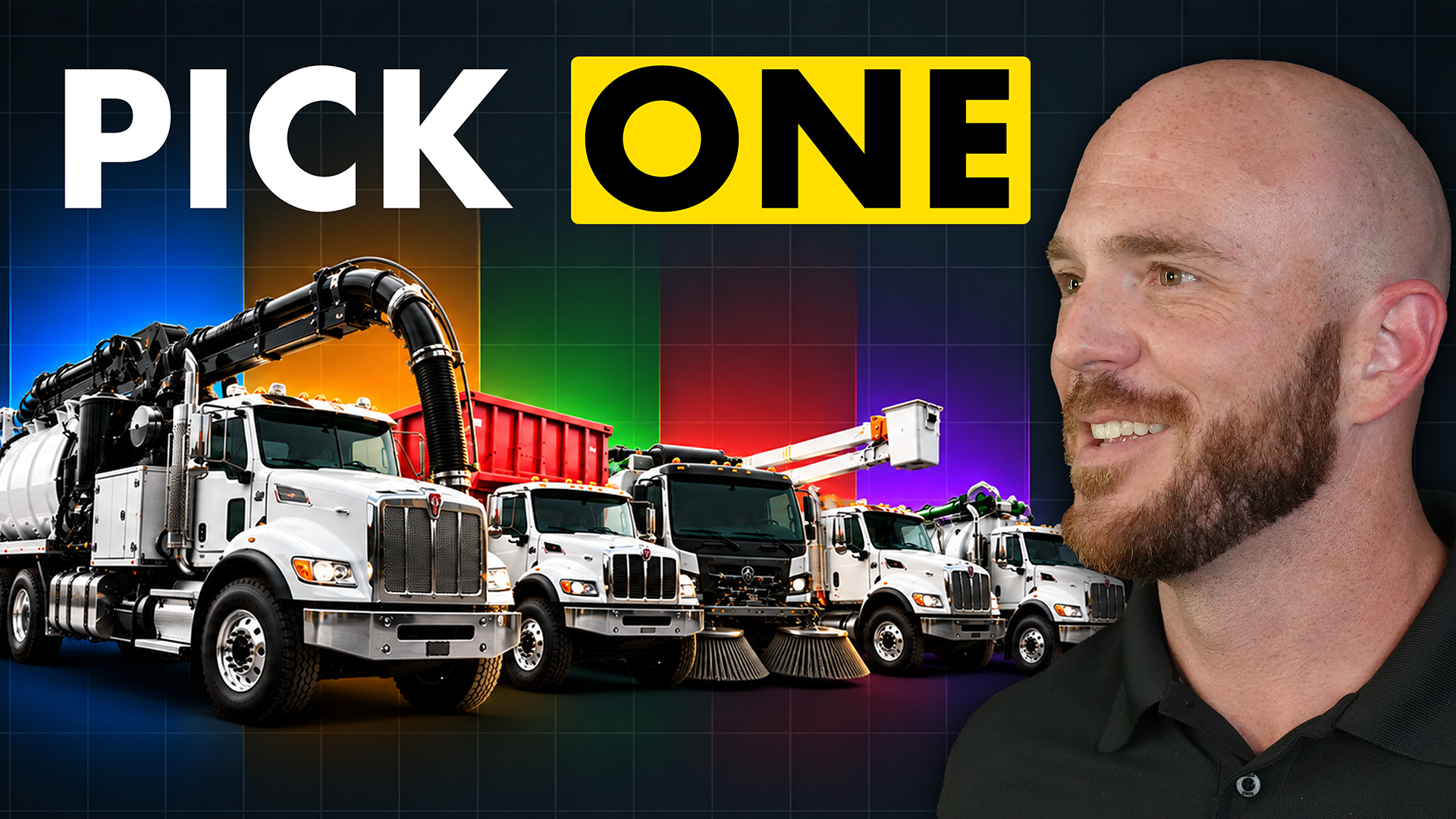
Here’s a list of other opportunities to put on your shortlist.
The Pattern Behind $3K Days
Owners who reach $3K a day are not betting on perfect years. They are operating models built to survive imperfect ones.
Those businesses tend to have:
- Predictable demand during slowdowns
- Debt that can be serviced under stress
- Upside driven by execution, not timing
- Value that exists without constant owner involvement
That is the difference between income that plateaus and income that compounds.